
 By admin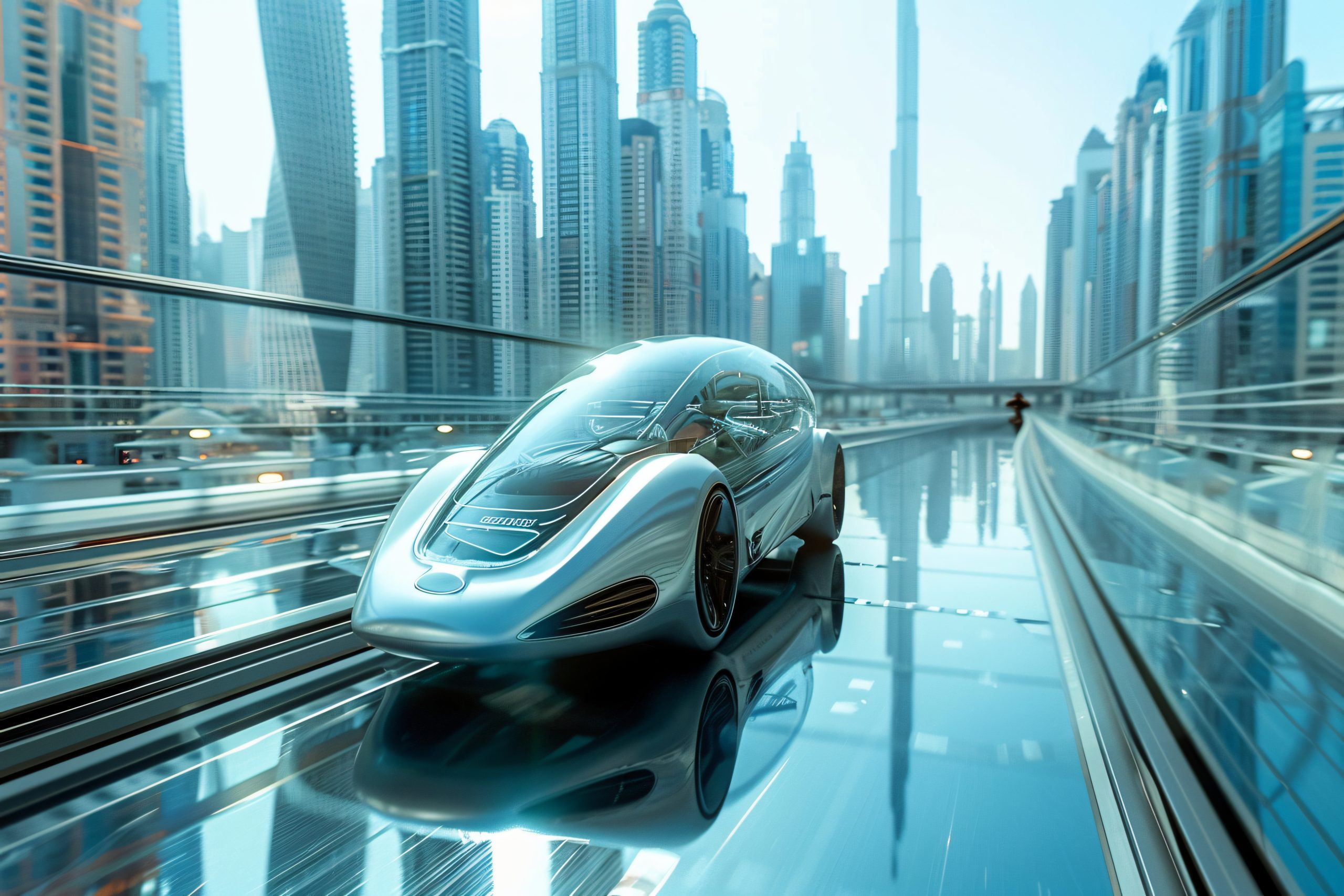
The automobile industry has been undergoing a massive transformation in recent years, driven by technological advancements, environmental concerns, and changing consumer preferences. From electric vehicles (EVs) to autonomous driving, the future of automobiles is filled with exciting possibilities. In this post, we will explore the trends and innovations that will shape the automobile industry in the next decade.
Electric vehicles (EVs) are no longer a niche market; they are quickly becoming mainstream. With growing concerns over climate change, air pollution, and rising fuel prices, EVs are seen as a cleaner, more sustainable alternative to traditional gasoline-powered vehicles.
In the next decade, the number of electric vehicles on the road is expected to increase dramatically. Major automakers like Tesla, Ford, and Volkswagen are already committing to producing more electric cars, and governments around the world are offering incentives to promote EV adoption. Battery technology is also improving, leading to longer ranges, faster charging times, and lower costs for consumers.
In addition to passenger vehicles, electric trucks and buses are also gaining traction. This shift toward electrification is expected to significantly reduce carbon emissions and contribute to a more sustainable transportation future.
Autonomous or self-driving cars are one of the most talked-about innovations in the automobile industry. Companies like Waymo, Uber, and Tesla are investing heavily in autonomous vehicle technology, and while fully autonomous vehicles are not yet a reality, significant progress is being made.
In the next decade, we can expect to see more advanced semi-autonomous features, such as adaptive cruise control, lane-keeping assist, and self-parking systems, becoming standard in many vehicles. Fully autonomous cars, capable of driving without any human intervention, may become a common sight on the roads in the 2030s.
The development of autonomous vehicles promises to revolutionize transportation, reducing accidents caused by human error, increasing road safety, and making commuting more efficient. However, challenges related to regulation, infrastructure, and public acceptance still remain.
The concept of connected cars, where vehicles are linked to the internet and other devices, is becoming a reality. These smart vehicles are equipped with sensors, cameras, and internet connectivity that enable them to communicate with other vehicles, infrastructure, and even your smartphone.
Connected cars will offer a wide range of benefits, from real-time traffic updates to remote diagnostics. Imagine a vehicle that can automatically schedule maintenance appointments, alert you about potential breakdowns, or provide personalized recommendations for nearby services like fuel stations or restaurants.
As more cars become connected, they will also play a crucial role in the development of smart cities, where vehicles and infrastructure work together to optimize traffic flow, reduce congestion, and improve overall transportation efficiency.